Impact & Sustainability

At Cipla, caring for life means caring for the planet too. We recognize the dual relationship between our industry and the environment – Our pharmaceutical activities impact the environment, yet we also depend on it for our daily operations.

That’s why sustainability is at the heart of everything we do, it’s not just a responsibility, but an essential part of our business. Our progress is grounded in reducing our environmental footprint, expanding access to healthcare, and building globally benchmarked governance practices.

Sustainability Initiatives

The pharmaceutical industry impacts the environment in many ways, from development of drugs to manufacturing, packaging, and waste disposal. We therefore continually strive to reduce our carbon footprint through research and implementing more environmentally friendly business operations.

Inhaler Recycling Project

In South Africa alone, 6.34m inhalers are dispensed annually. And these inhalers are all made of plastic, among things. So, we’re launching a campaign to encourage people to dispense of their asthma inhalers responsibly and sustainably. The plastic will be recycled and repurposed into items that will make a profound difference in communities while helping to reduce our collective carbon footprint.

Repurposed Marketing Items

After a campaign has ended, there’s usually a plethora of marketing material left to collect dust in a storeroom, before ending up in a landfill. We’ve partnered with Grow to give old marketing material a new lease on life. The Growbag upcycled range converts promotional materials into a unique range of planters! The material used is highly durable and long-lasting making it a sustainable and eco-friendly product.

Paper-usage Reduction

Cipla is currently implementing innovative measures – such as digitizing package inserts (PI) – to reduce our carbon footprint. The PI will be accessible on various newly launched products initially, simply by scanning the QR code on the medicine packaging. The digitized PI ensures convenient access to up-to-date information as it can be easily updated and helps improve legibility as the font on the printed versions is generally very small. It also helps to significantly reduce the number of printed inserts required, thereby preserving natural resources.

Reverse Vending Machine

One of the ways that we’re trying to do our bit for the environment is by installing a reverse vending machine (RVM) and some of our offices. The objective of the RVM is to divert waste from our landfills in accordance with Cipla’s ESG (Environmental, Social and Governance) goals and the United Nations Sustainable Development Goals. This machine creates an incentive for people to recycle as they can earn points for recycled materials, which can be converted into vouchers for valued goods.

Sustainable Furniture

The Panton Chair

The iconic Panton Chair is more than a chair – with its flowing curves, it’s a conversation starter, and a commitment to a more circular future. It’s proof that going green can be both beautiful and functional. Each chair comprises 5 kgs of non-recycled plastic (the equivalent of 431 PET bottles rescued from landfills and oceans) and 9 kgs of fabric, (about 90 T-shirts), giving what would have been waste now a second lease on life.

The Side Table

Design is no longer just about form or function, but also about being future forward. This table - made from 2 kgs of recycled plastic (the equivalent of 212.6 PET bottles) and 5 kgs of fabric (about 5 T-shirts) - is not simply a functional surface. It’s a testament to reducing waste, reusing materials and being responsible about the future of our planet.

Square hollow box

A plant box. A comfy seat. A conversation starter. A story from waste to worth. This square-shaped hollow box is made from 4 kgs of recycled plastic (equal to 350.5 PET bottles, saved from landfills and oceans) and 8 kgs of repurposed fabric (about 8 T-shirts). Regardless of whether its holding greenery or someone’s weight, this box contains something even more meaningful: a new lease on life for waste.

Progress to date
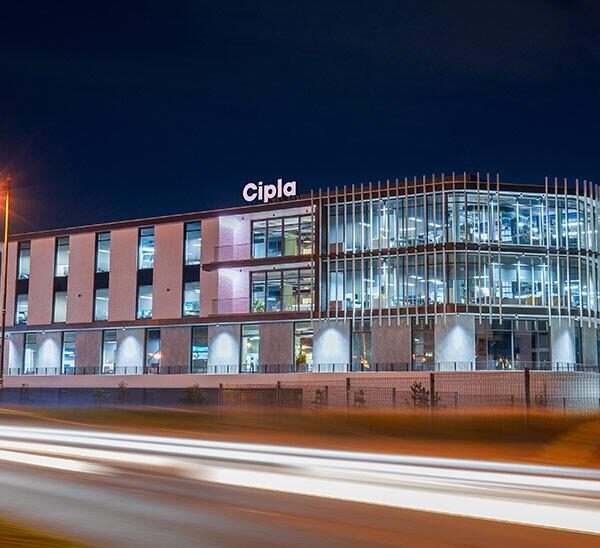
  • At our head office, instead of using fresh drinking water for flushing and irrigation, our building uses treated recycled water
  • Our head office also has water-efficient fittings and fixtures, such as dual-flush toilets, flow-restricted taps, and water-smart appliances, contributing to water saving
  • In our kitchens, we use dishwashers as opposed to handwashing our dishes as this saves on water
Future plans
  • Rainwater harvesting planned at both our distribution site in Cape Town and manufacturing site so that during rainfall season we can capture rain and use it back into our buildings into our toilets or irrigation
  • Advancing water reuse initiatives by assessing the recovery of process water streams for non-potable uses, reducing overall water demand
Progress to date
  • Thermally Activated Building System (TABS) for heating and cooling. It uses less energy than a regular AC system
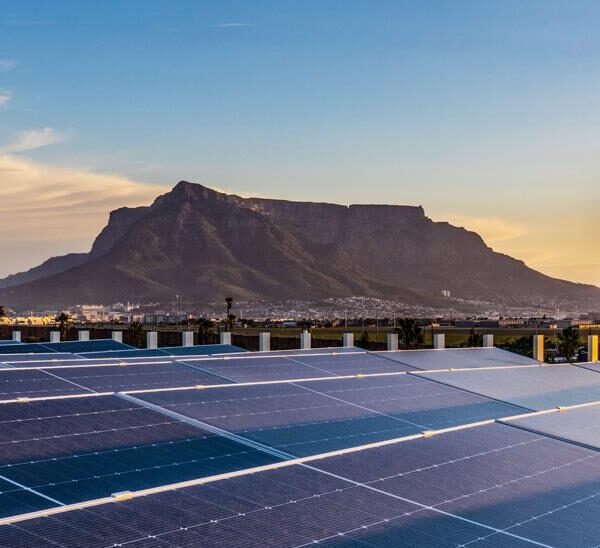
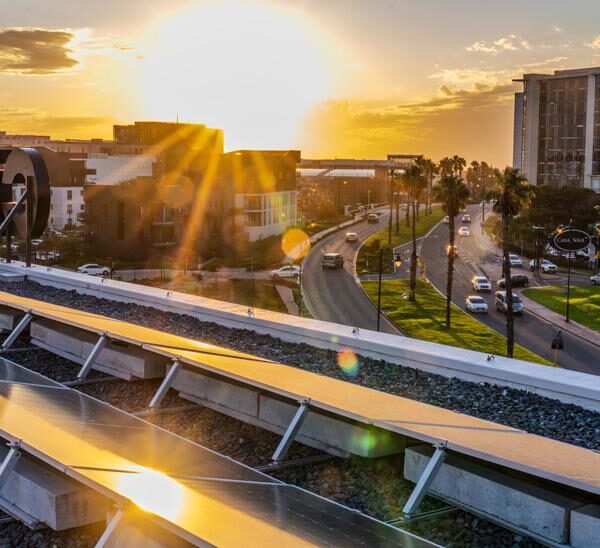
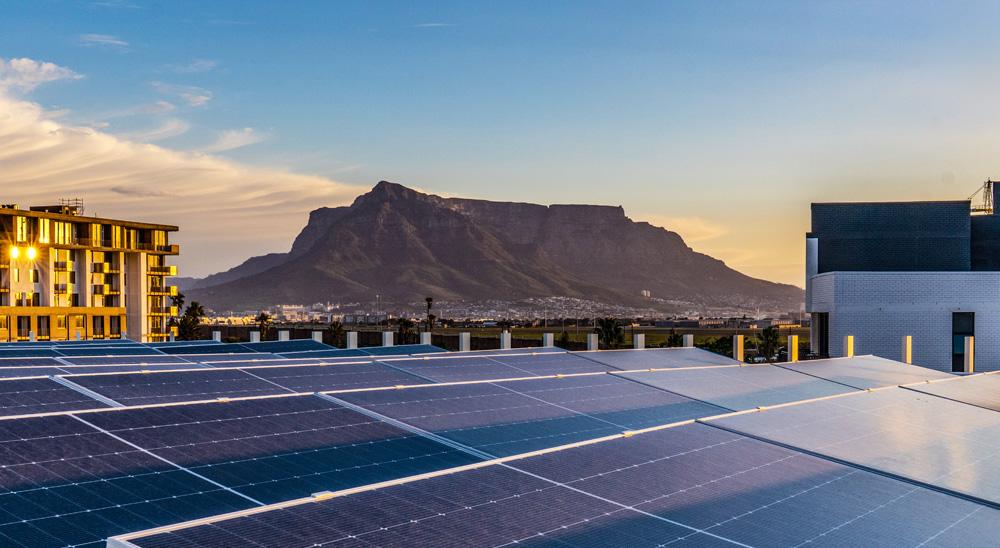
  • Fitted with 180 solar panels that harness the sun’s energy to help power our operations and reduce our reliance the grid (insert photos)
  • Motion sensor lights that go of when not in use
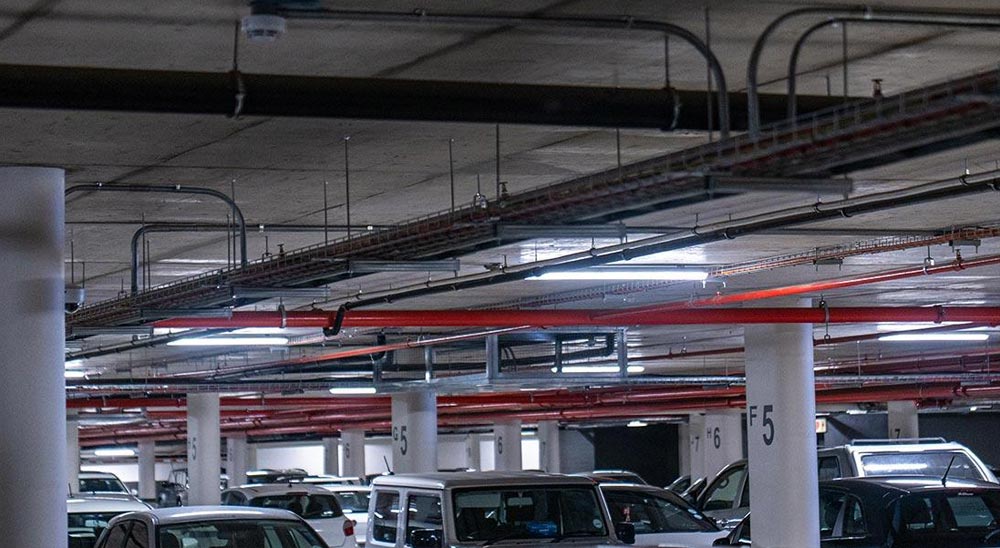
  • Energy-efficient LED lighting has been installed across the office, delivering high light output with lower electricity consumption
  • Long-life LED fittings reduce the need for frequent replacements, lowering material waste and maintenance requirements
  • Flicker-free lighting improves visual comfort and reduces eye strain, supporting a healthier indoor working environment
Future plans
  • Implementing solar panel installation at our Durban manufacturing facility
  • Implementing energy-wheeling options for our Durban manufacturing facility to source cleaner, renewable energy
  • Investigating battery options for our distribution centre so that excess energy that has been generated from the solar can be stored in a battery and released during the night or when there is cloud cover.
  • Investigating ways to reuse operational water, such as cooling system discharge, hardwater. for applications like irrigation and toilet flushing.
Progress to date
  • We have full waste separation in all our Cipla SA sites – this means that recyclables are separated from non-recyclable and minimize the waste we send to the landfill
  • We have achieved Net Zero Waste Certification for our distribution centre in Cape Town as well as Durban manufacturing facility
  • Inhaler Recycling Project: In South Africa alone, 6.34m inhalers are dispensed annually. And these inhalers are all made of plastic, among things. So, we’re launching a campaign to encourage people to dispense of their asthma inhalers responsibly and sustainably. The plastic will be recycled and repurposed into items that will make a profound difference in communities while helping to reduce our collective carbon footprint.
  • Repurposed Marketing Items: After a campaign has ended, there’s usually a plethora of marketing material left to collect dust in a storeroom, before ending up in a landfill. We’ve partnered with Grow to give old marketing material a new lease on life. The Growbag upcycled range converts promotional materials into a unique range of planters! The material used is highly durable and long-lasting making it a sustainable and eco-friendly product.
  • Reverse Vending Machine: One of the ways that we’re trying to do our bit for the environment is by installing a reverse vending machine (RVM) and some of our offices. The objective of the RVM is to divert waste from our landfills in accordance with Cipla’s ESG (Environmental, Social and Governance) goals and the United Nations Sustainable Development Goals. This machine creates an incentive for people to recycle as they can earn points for recycled materials, which can be converted into vouchers for valued goods.
Future plans
  • Driving Zero Waste to Landfill and achieving Net Zero: Waste certification at the Head Office and our Mirren manufacturing facility.